
What should I upgrade first?
Start with the basics, then tie your roof down, link by link.
Do things in this order
Fix maintenance problems
Upgrades won’t hold on rotten timber or rusty steel.
Protect windows and doors
Keeping wind out is often the cheapest way to protect your roof.
Hold the roof down
Tie every link down, from the roof to the ground.
The seven links to check
Most older homes are built the same way inside. Here’s what to check and the usual fix. The Home Check shows the fix for your house type.
1. Roof sheets or tiles
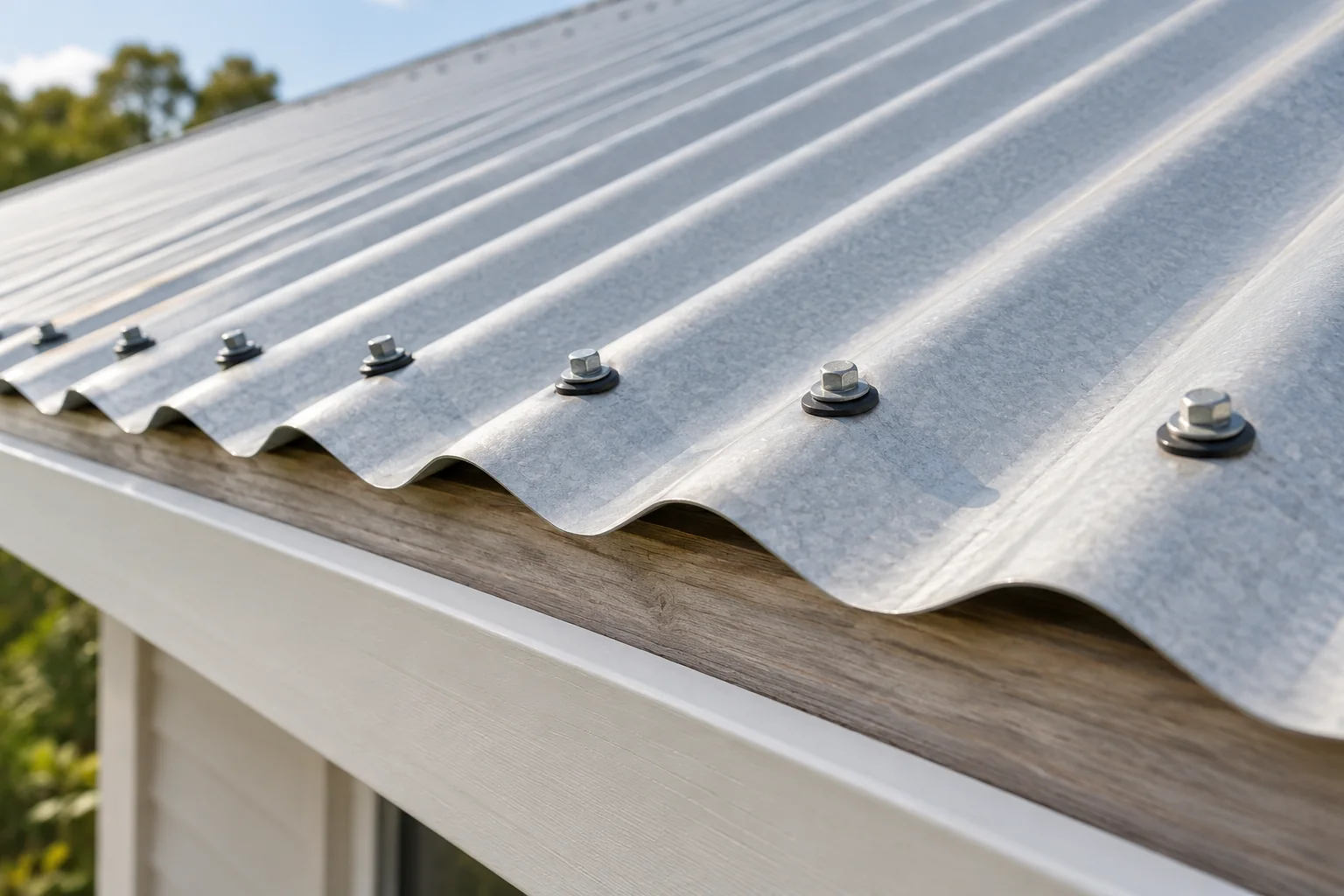
Check: Loose, rusty or missing screws. Cracked or slipped tiles.
Fix: New screws and washers rated for your wind region. For tiles, clip every tile and add a protective layer underneath.
2. Battens
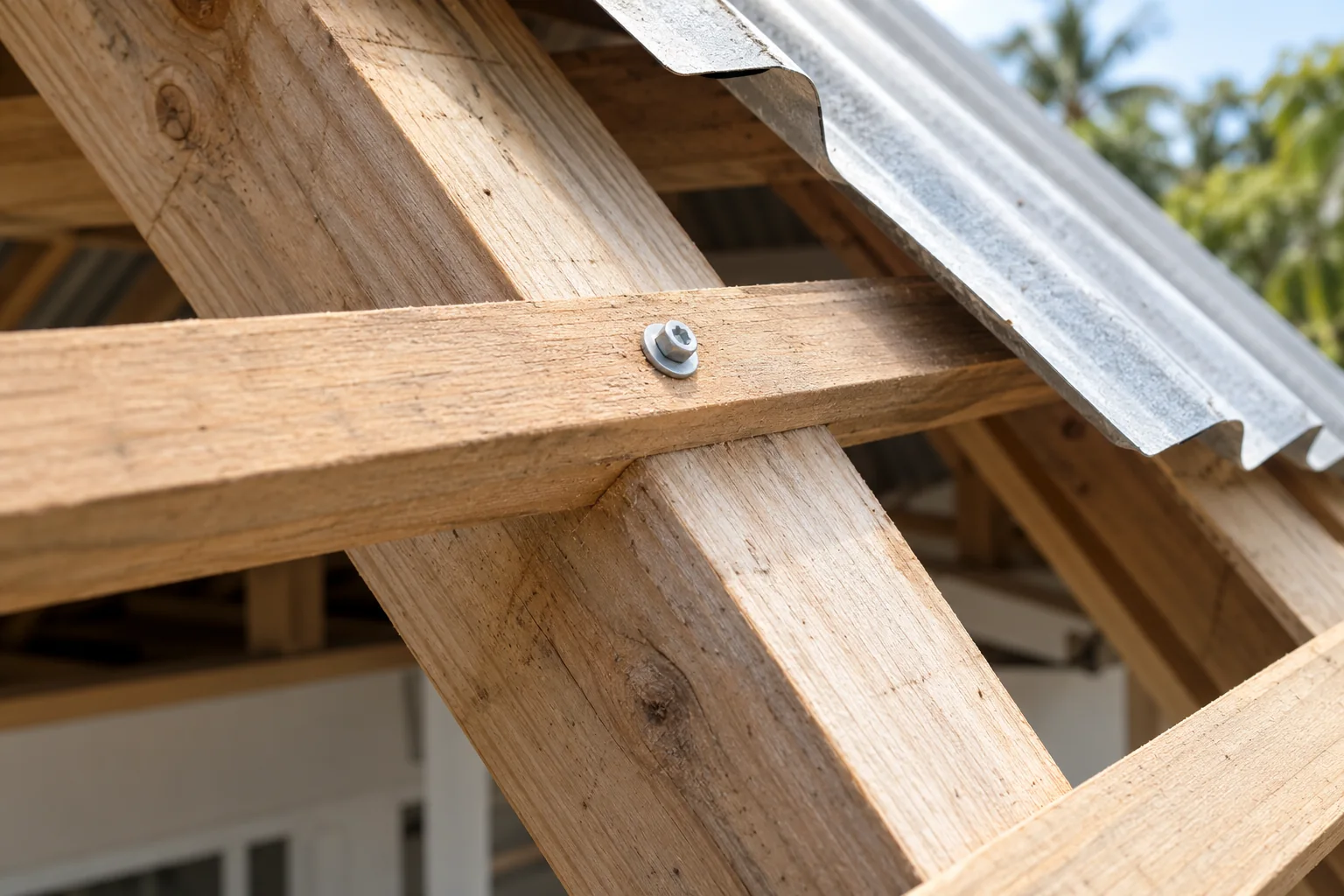
Check: Battens that are only nailed to the rafters.
Fix: Screw every batten down to each rafter. Add extra battens if they’re more than 900 mm apart.
3. Roof ridge
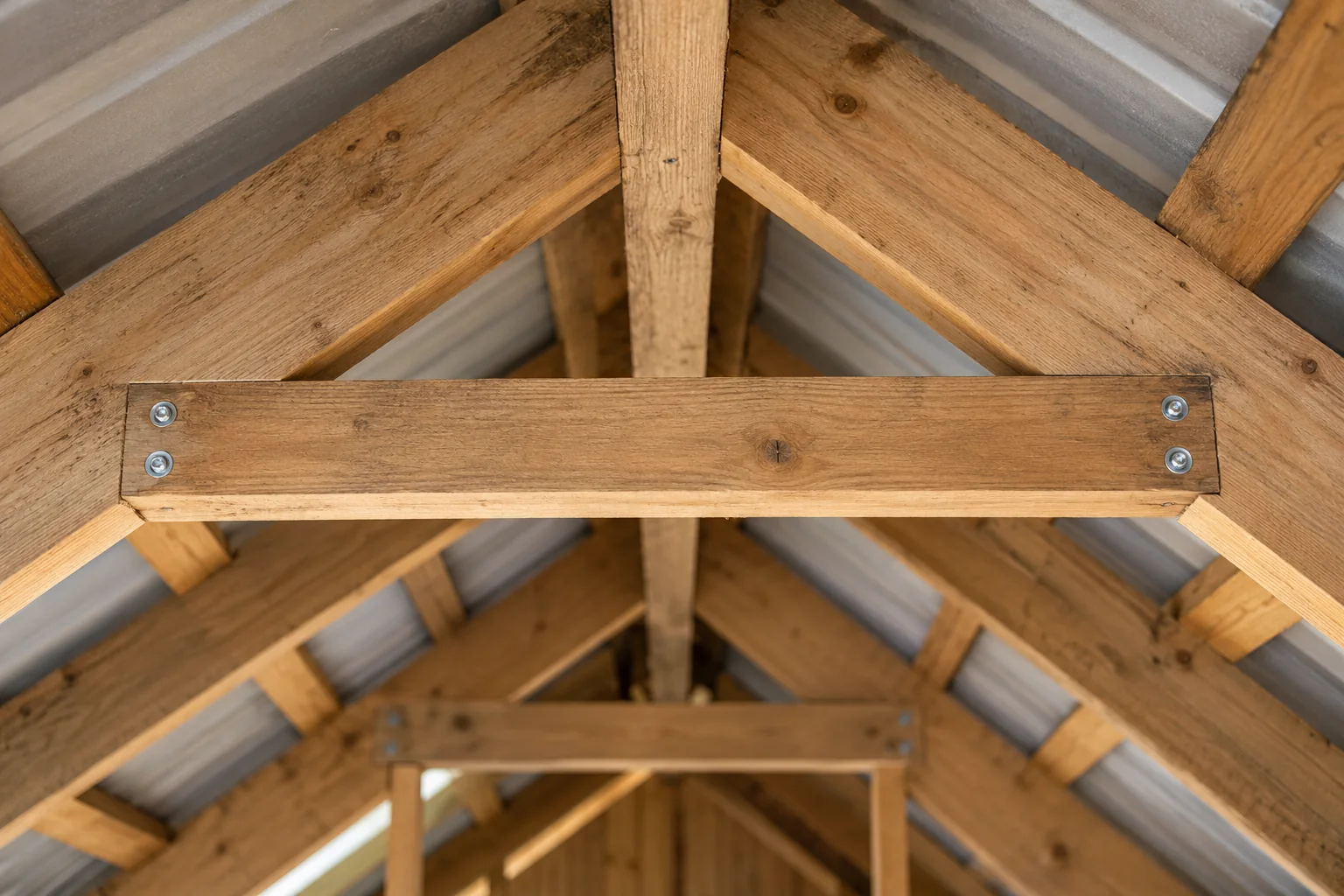
Check: Rafters that aren’t tied together at the top.
Fix: Screw ridge ties across each pair of rafters.
4. Inside the roof
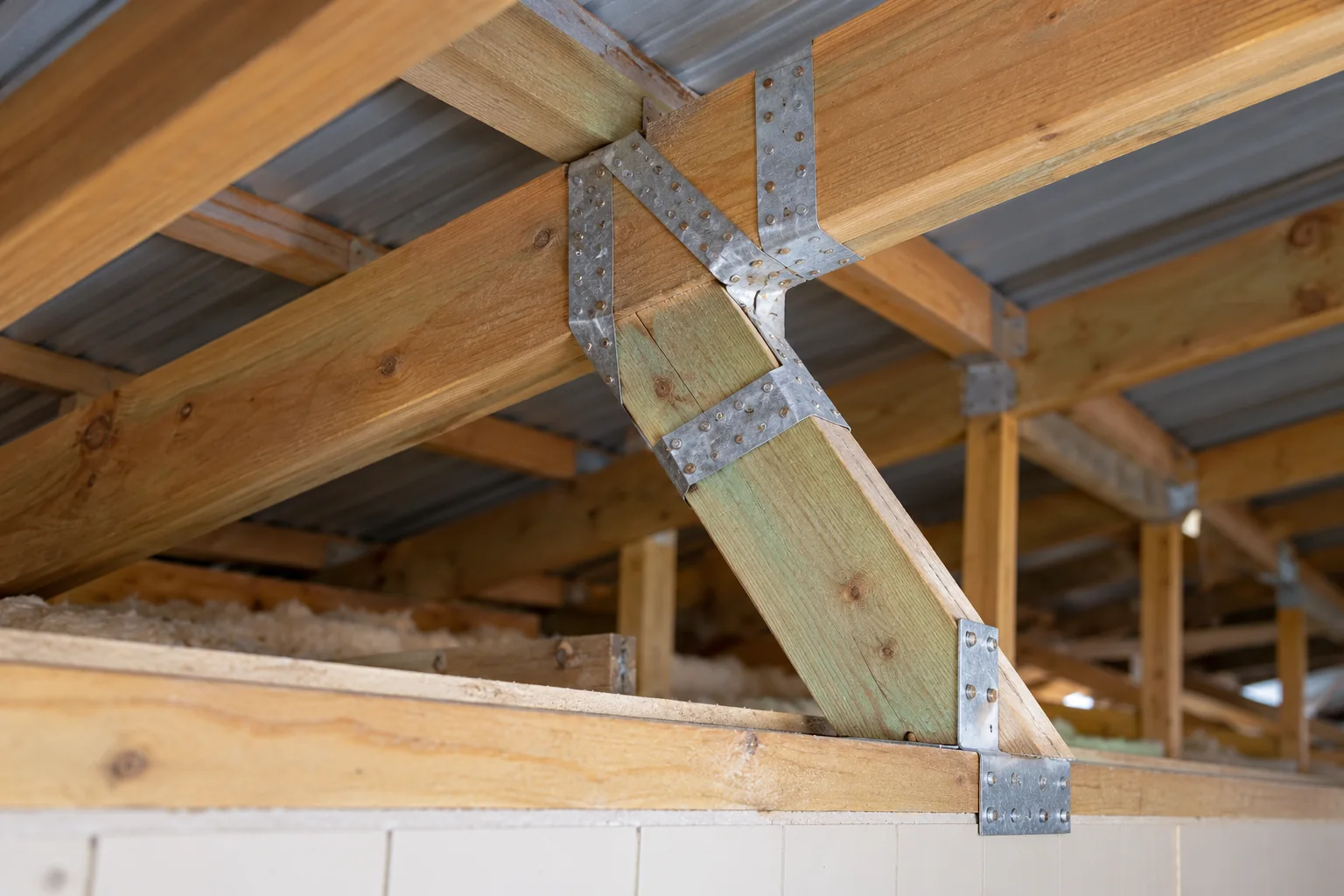
Check: Roof frame timbers that aren’t strapped together.
Fix: Add metal brackets and straps to tie the frame together.
5. Roof to wall
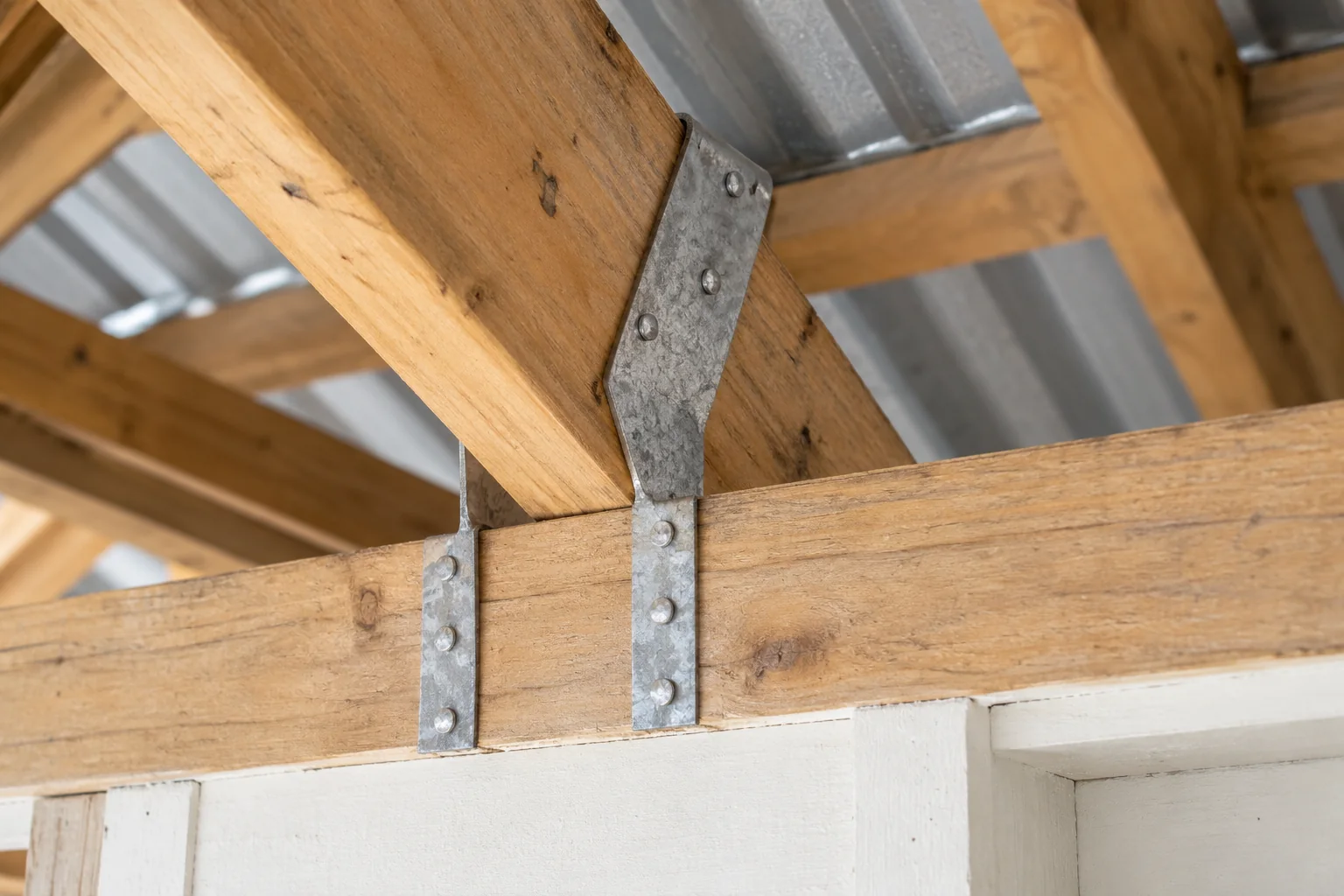
Check: No metal straps holding the rafters to the walls.
Fix: Strap every rafter down to the top of the wall. Brick homes can use steel rods inside the wall.
6. Wall to floor
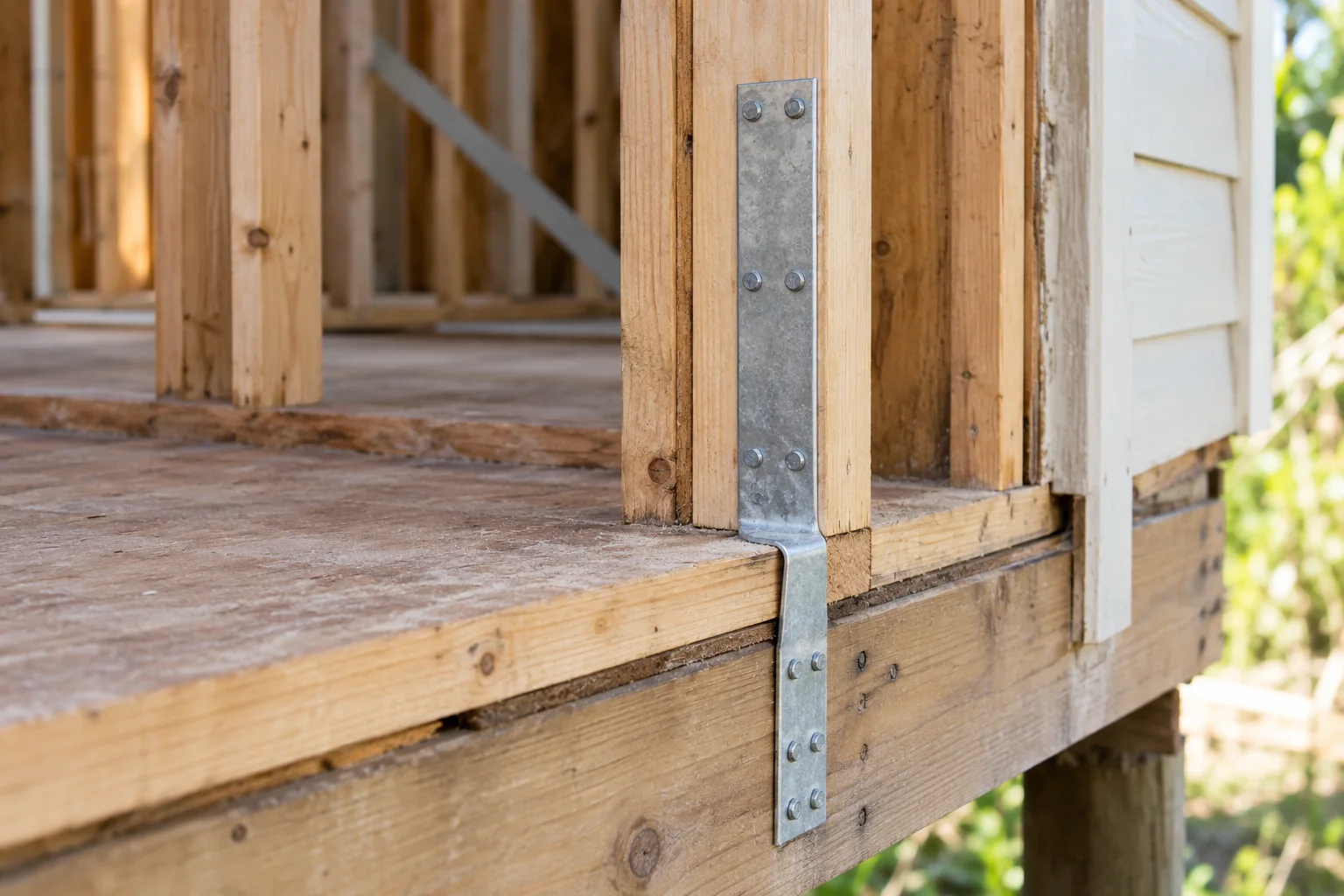
Check: Walls that aren’t tied to the floor frame.
Fix: Strap the walls down to the floor frame, or use steel rods in brick walls.
7. Floor to stumps
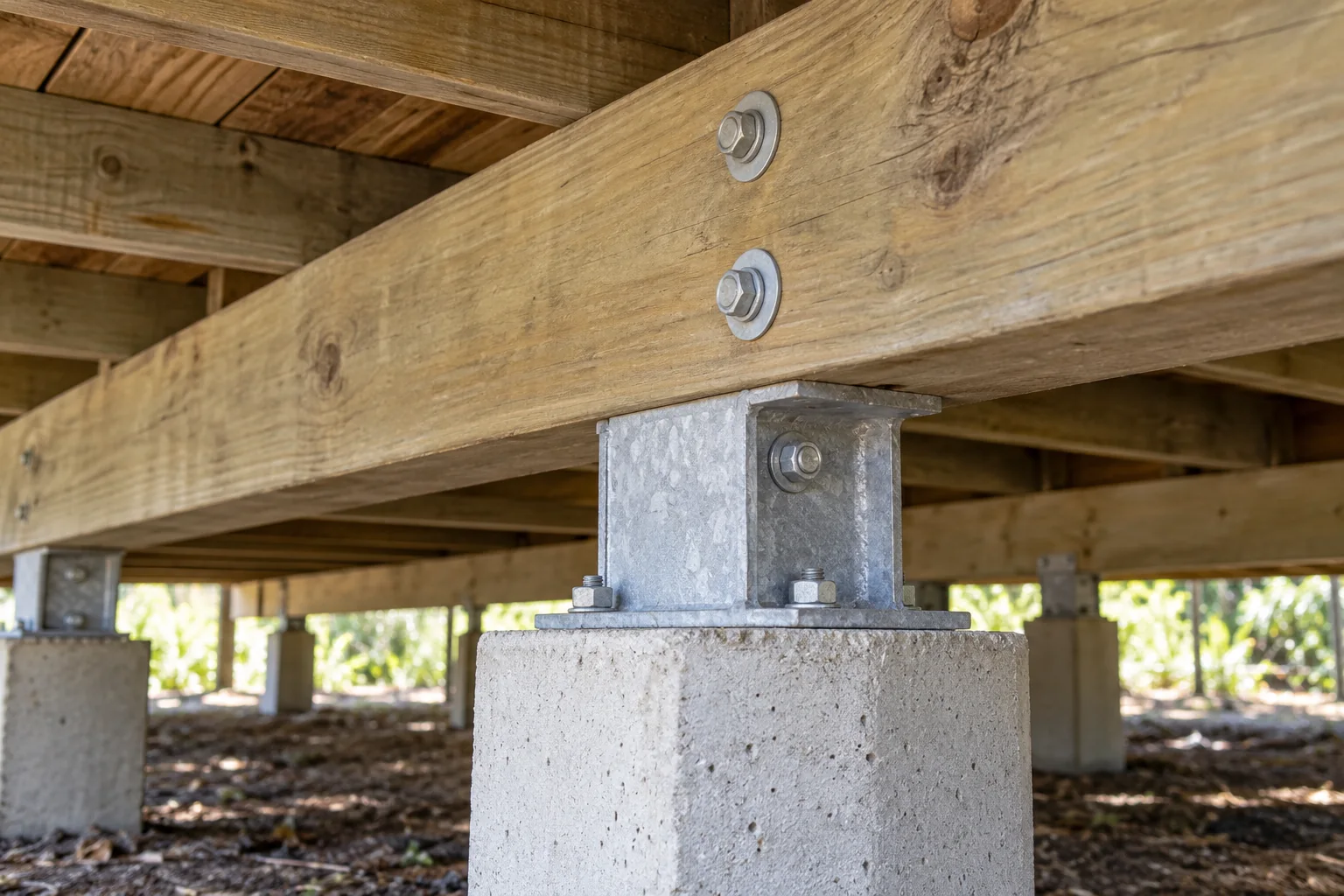
Check: Rusty or rotten stumps and loose floor timbers.
Fix: Bolt the floor frame down to the stumps with metal brackets.
Brick and tiled homes
Brick homes often use steel rods inside the wall instead of straps.
Tiled roofs need every tile clipped down.
Getting the work done
- Use a licensed builder, and check their licence with your state regulator
- In Region D, or for unusual homes, have an engineer design the upgrade
- Ask whether you need building approval
- Keep invoices, photos and certificates for your insurer